How Are Hit and Run Accidents Investigated?

CR Legal Team Can Stand Up For You.

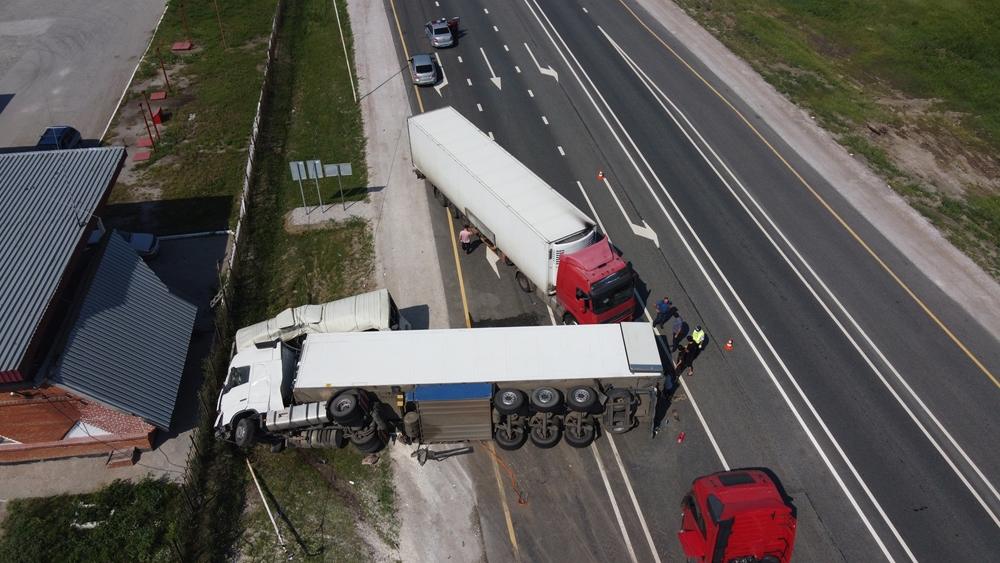
Hit and run accidents are investigated through a combination of on-scene evidence collection, witness statements, and digital or physical data analysis. Law enforcement officers document the scene.

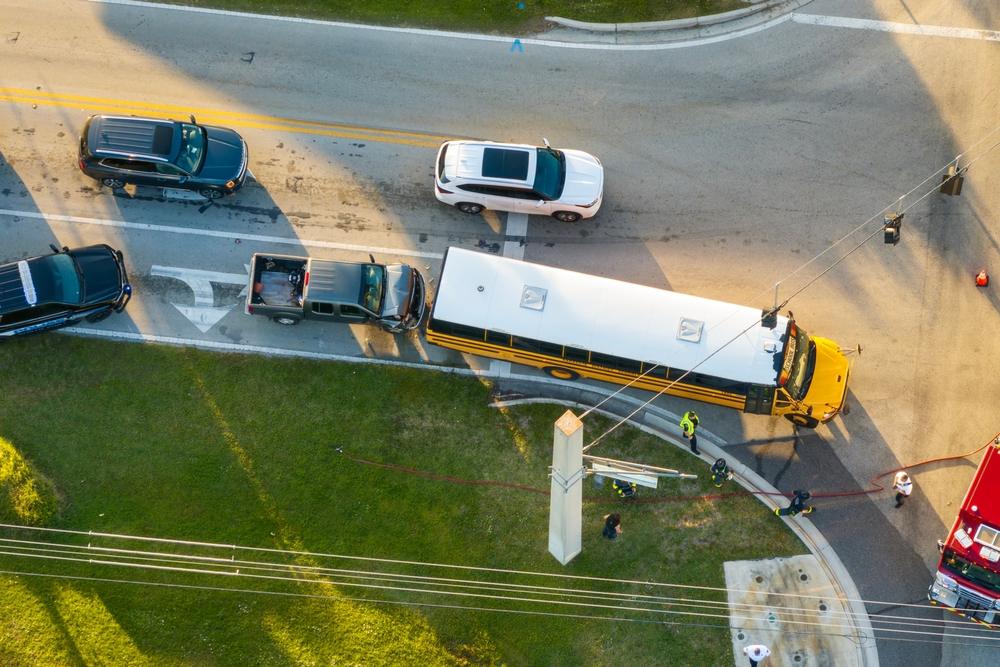
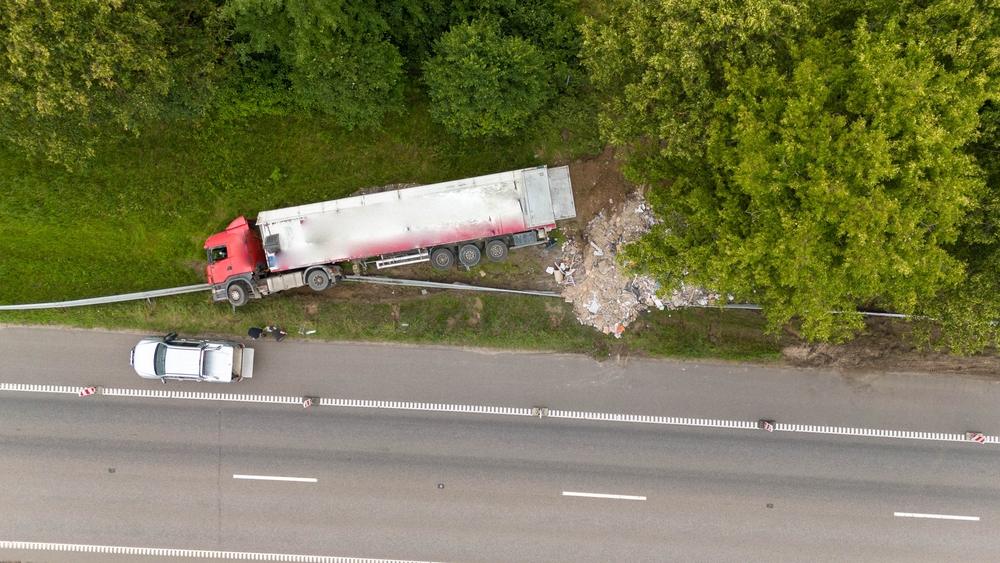
Investigators take note of where vehicles are located, as well as any damage to surrounding property or objects. They also collect accounts from witnesses and victims to piece together how the crash happened.

Authorities may use vehicle parts left at the scene, license plate fragments, or paint transfers to identify the fleeing driver. An experienced Charlotte hit and run accident lawyer will investigate the accident scene and use all available evidence to build a strong claim.

Immediate Steps to Take After a Hit and Run Accident

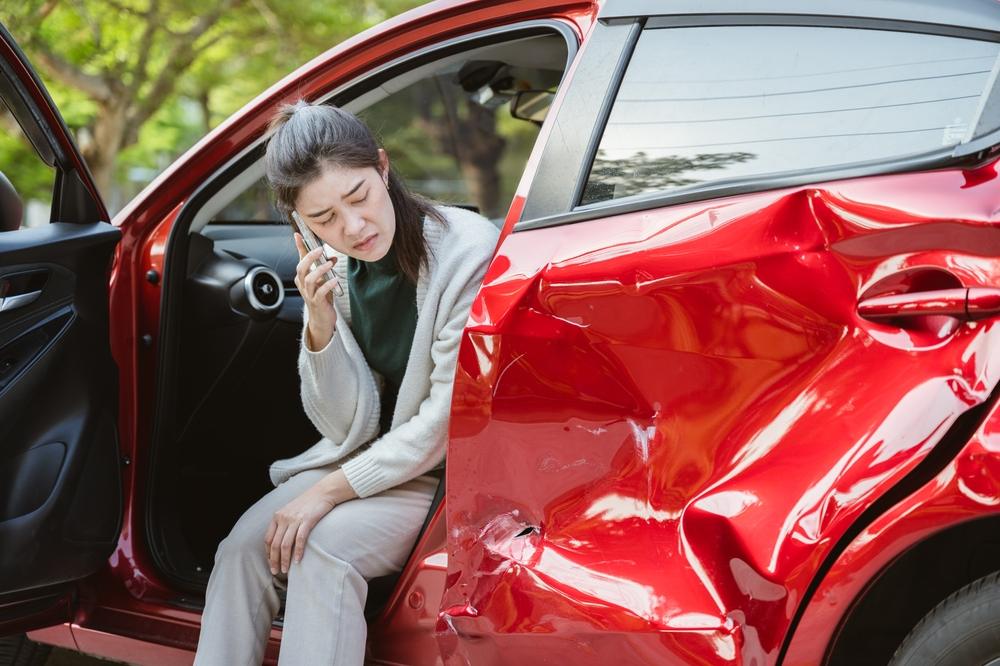
The moments after a hit and run accident are critical for your safety and for building a strong case. First, ensure that you and anyone else involved are safe. Move to a secure location if possible, and call emergency services immediately.

Next, gather as much information as you can while at the scene. Note the exact location and time of the accident, and look for any witnesses who may have seen what happened. If you can safely do so, write down a description of the fleeing vehicle. Include the following details:

  • Make
  • Model
  • Color
  • Any visible damage
  • Distinguishing features

Contact the police immediately after the accident and give them all the information you’ve collected. Reporting the incident helps create an official record, which is crucial for any potential legal matters or insurance claims.

On-Scene Evidence Collection

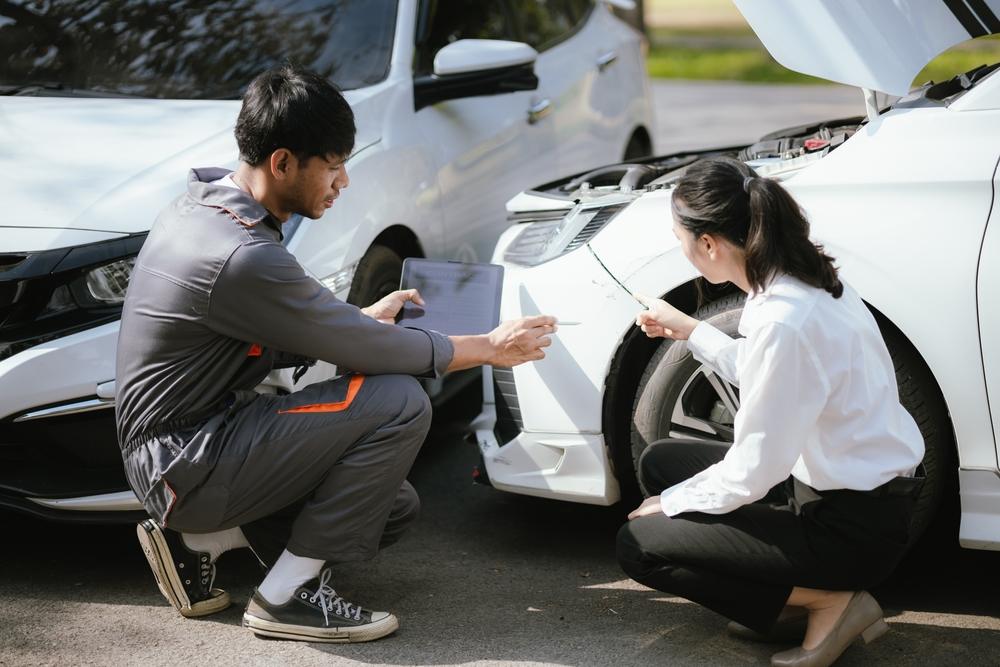
Document everything you can with photographs, videos, and written notes. Clear visual records help law enforcement and strengthen your insurance claim. Focus on the following details:

  • Positions of the vehicles
  • Surrounding area
  • Any damage or debris 
  • Skid marks or tire tracks
  • Broken glass or vehicle parts
  • Road conditions

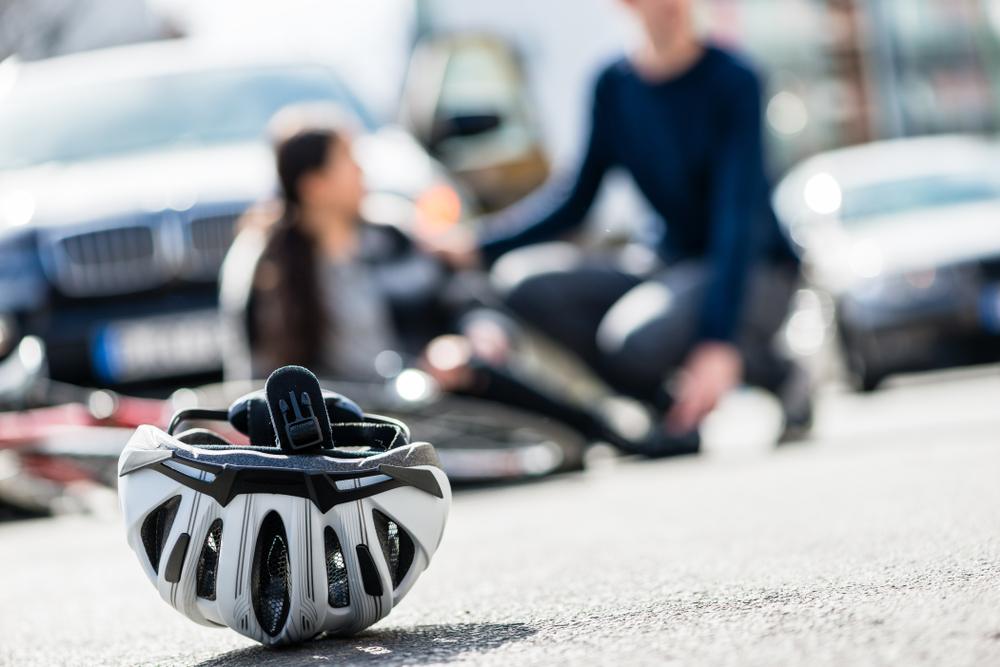
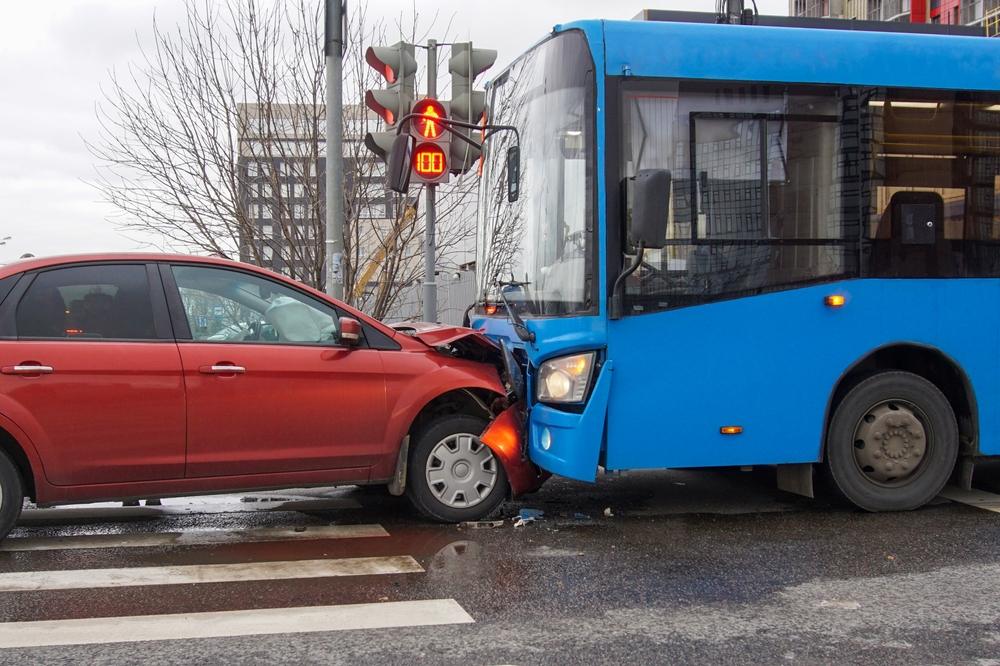
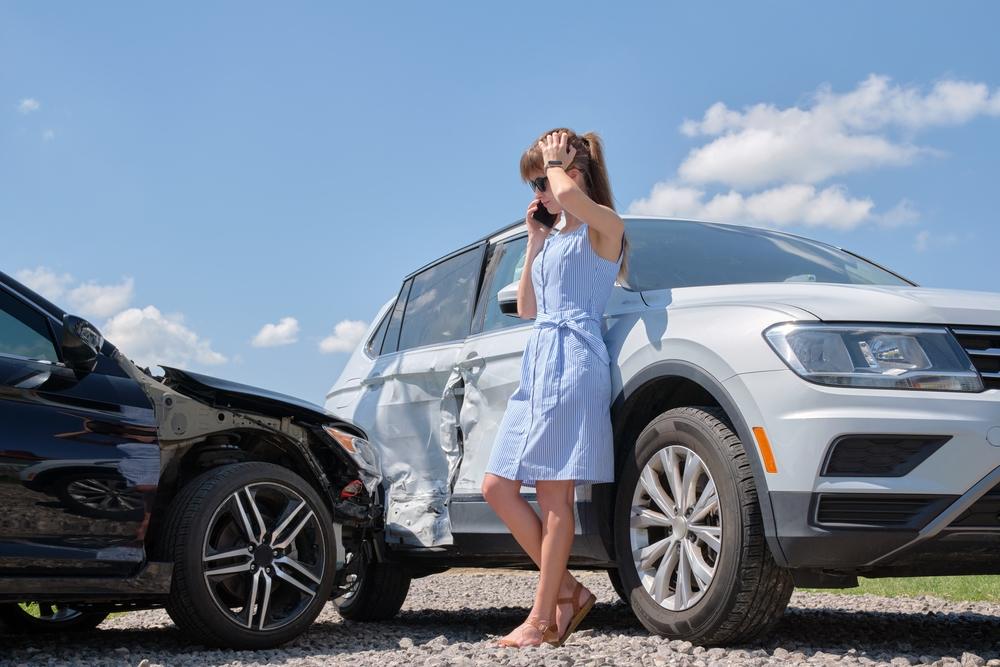
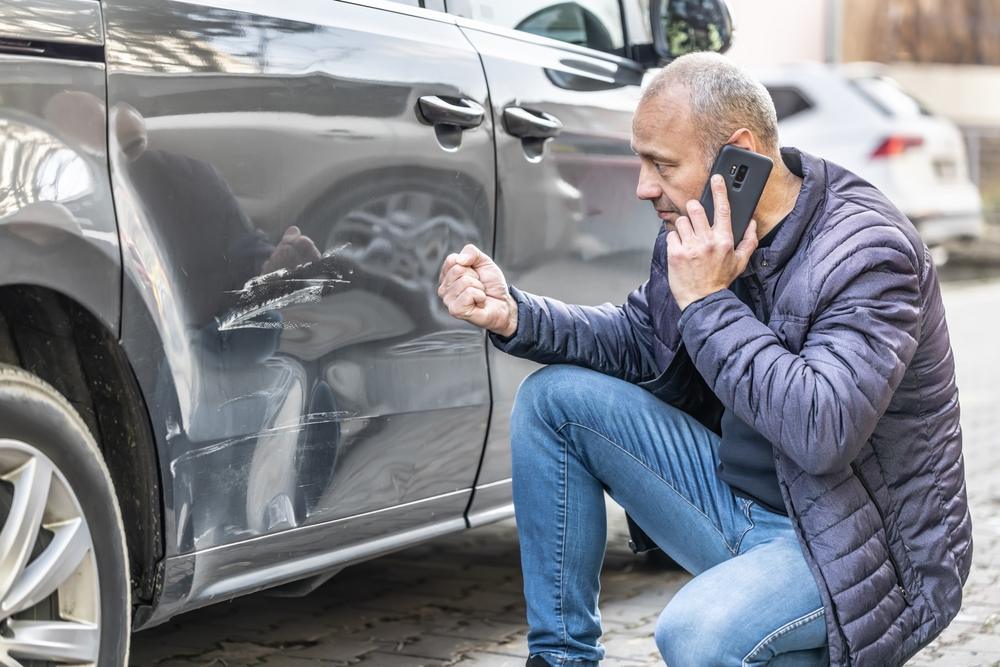
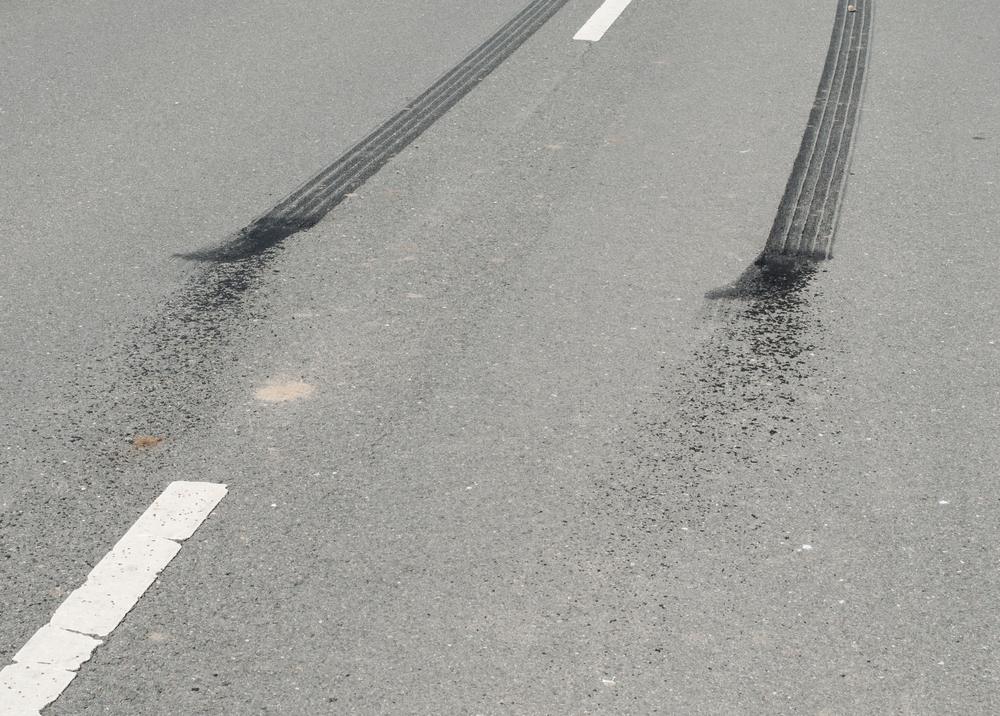
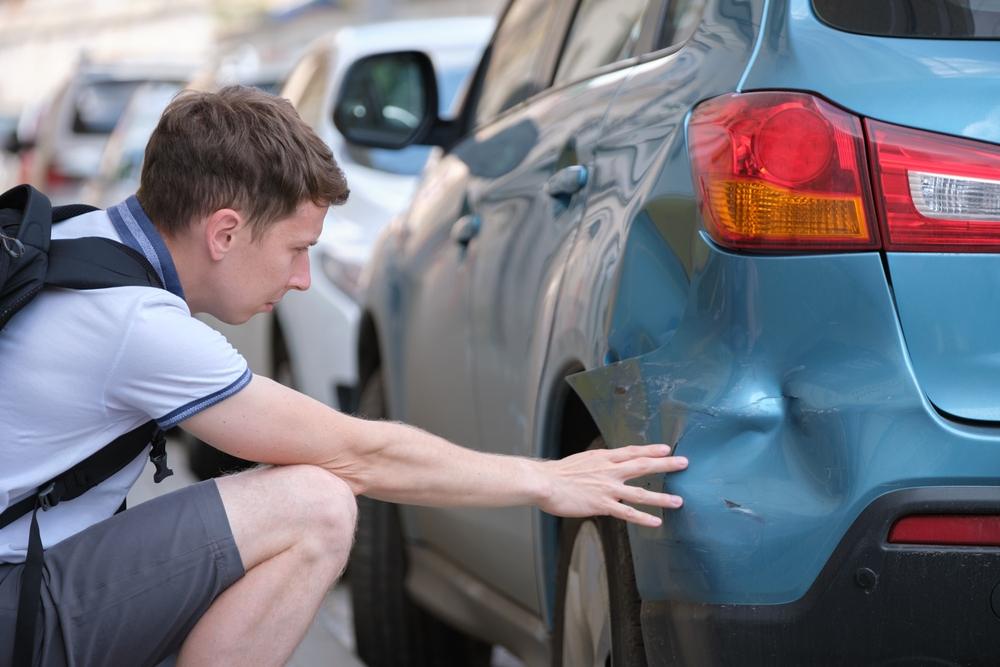
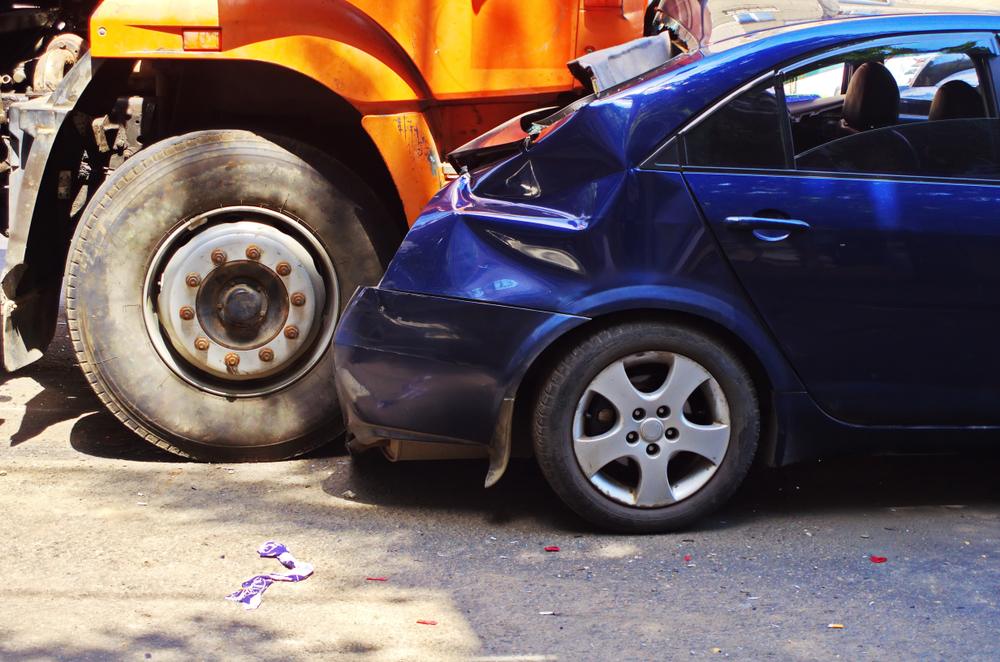
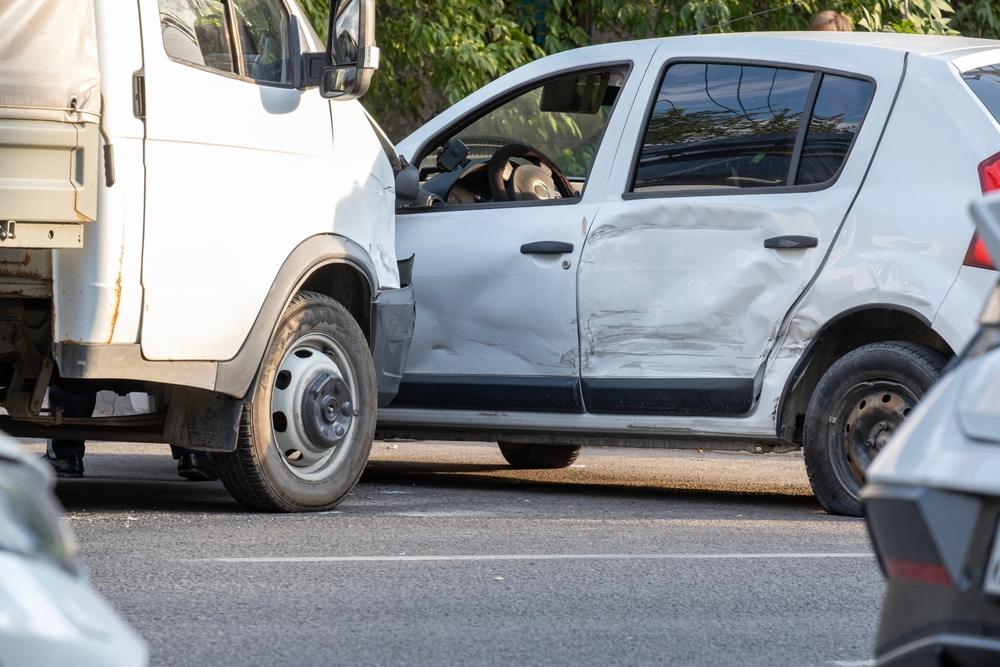
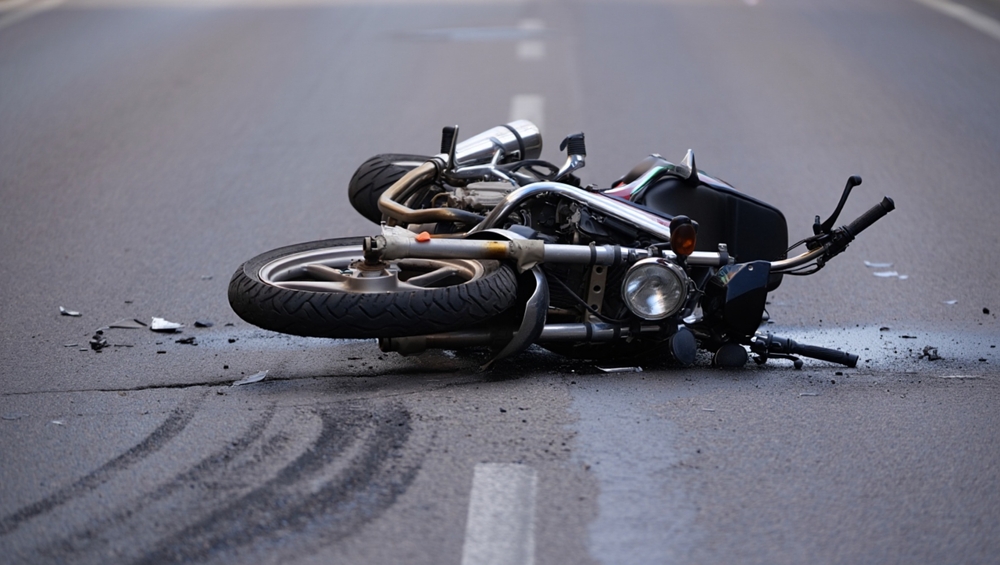
Observe details such as vehicle damage, skid marks, broken glass, or debris scattered on the road. These clues can help reconstruct how the accident occurred and may provide hints about the fleeing vehicle.

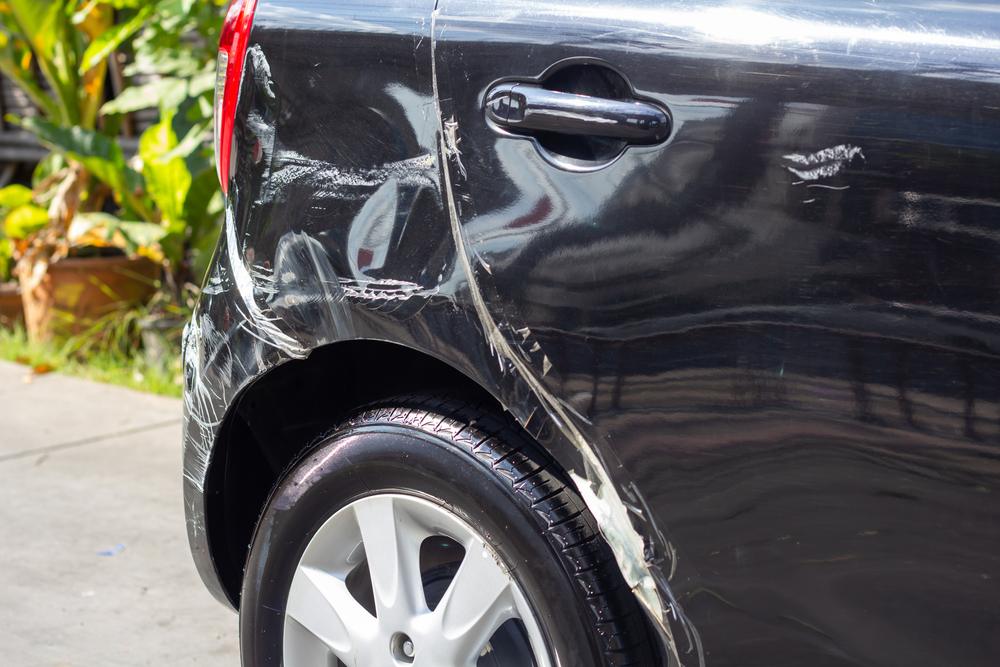
Whenever possible, collect physical evidence left behind (or ensure that the police collect this evidence), such as pieces of the other vehicle or paint transfers. Even small fragments can be analyzed to identify the make, model, or color of the car involved.

Witness Statements After a Hit and Run

The first step is locating anyone who saw the accident or the vehicle fleeing the scene. Approach witnesses calmly and ask for their contact information so law enforcement can follow up if needed.

When speaking with witnesses, collect detailed descriptions of the vehicle and driver. Important details include the car’s make, model, color, license plate number, and any distinguishing features, as well as the driver’s appearance and behavior.

Corroborate witness statements with other evidence, such as photographs, video footage, or physical debris from the scene. Matching witness accounts with tangible evidence strengthens the case and helps investigators accurately identify the responsible driver.

Click to contact our personal injury lawyers today.

Surveillance and Digital Evidence

Law enforcement often reviews traffic cameras, as well as footage from nearby businesses or residential properties, to capture the fleeing vehicle in action.

Dashcam recordings from other drivers can also provide important visual evidence, showing the vehicle, its direction, and sometimes even the driver. In some cases, GPS data or information from mobile devices can help track the vehicle’s route or identify the driver.

Complete a Free Case Evaluation form now.

Vehicle Identification Techniques

Identifying the vehicle involved in a hit and run is a critical step in the investigation. Investigators often analyze paint, debris, or vehicle parts left at the scene. This can help determine the make, model, or color of the car.

Even small details—like a piece of a license plate or a partial description from a witness—can help track the vehicle. Law enforcement can use this information with vehicle registration databases to quickly narrow down potential matches.

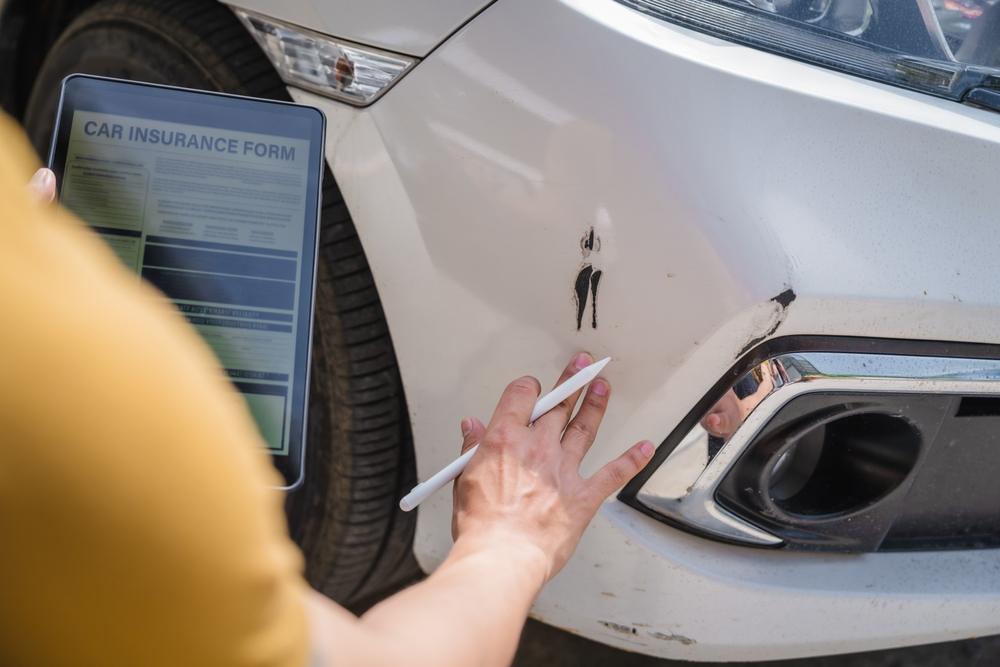
Cooperation with insurance companies can also assist in identifying the vehicle, especially if it has a history of claims or previous accidents. Let your attorney handle all communication with insurance companies. Adjusters will try to take advantage of your vulnerable situation to pay you less than you deserve.

An Experienced Car Accident Lawyer Will Help Investigate Your Hit and Run

Having professional guidance increases the chances of holding the at-fault driver accountable and securing the compensation you need. Our hit and run accident attorneys are experienced in handling these types of cases. You can trust us to handle the legal details while you focus on healing. We offer Whole-Person Legal Care™.

With over 36 years in business, at CR Legal Team, we know how to protect your rights. We have served over 200,000 clients and recovered more than $1 billion for our clients. Call today to learn more about how we can help after a hit and run. We Stand Up For You®.

We provide free consultations and work on contingency fees, so there’s no financial risk for you.

Get Your Free Consultation

This field is for validation purposes and should be left unchanged.
Meet The Team