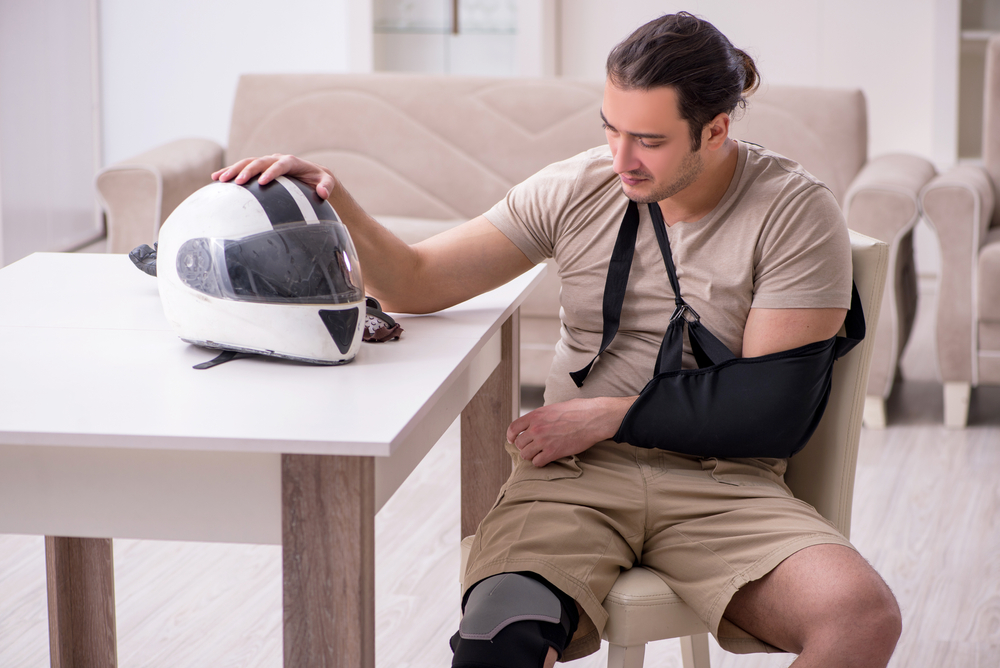
Signs of a brain injury after an accident include headaches, dizziness, and confusion, among other undesirable side effects. Many people also experience memory problems, nausea or vomiting, ongoing fatigue, light or sound sensitivity, and mood or sleep changes.
It’s worth noting that a brain injury after an accident is not always obvious, and not everybody blacks out or loses consciousness. It’s possible to sustain a concussion or develop a traumatic brain injury that changes your entire life without realizing that you’re hurt in the moment.
If your head injury was caused by another party’s negligence, you have legal options, and a Charlotte brain injury lawyer can help you understand what to do next. The sooner you contact us, the sooner we can look into your circumstances and help you decide how to proceed.
Brain Injuries May Feel “Off” Rather Than Painful
Many injuries cause pain, but brain injuries often show up differently. People who have endured head trauma frequently describe experiencing a feeling that something is not right before their first headache even develops.
These are early indications that commonly arise for victims of brain-related injuries:
- Feeling foggy
- Feeling detached from the moment
- Struggling to track a conversation
- Staring at a screen and not absorbing anything
- Feeling like the room is too loud, too bright, or too fast
Because these symptoms can feel vague, they are often dismissed as stress, shock, or exhaustion. This can be invalidating, so it’s important to advocate for yourself. After all, a brain injury can still be present even when there is no visible head wound or immediate pain.
Good News
Injured? Talk to a lawyer for free.
Contact CR Legal Team now and let us Stand Up for the recovery you deserve.
Call 888-843-8326Common Concussion Symptoms
A concussion is a type of mild traumatic brain injury, but the symptoms are not always mild or straightforward. They often develop in stages. Some appear immediately, while others emerge hours—if not days—later.
These are common symptoms indicative of a concussion:
- Headaches that feel new or different
- Nausea or vomiting
- Dizziness, lightheadedness, or balance issues
- Sensitivity to light or noise
- Blurry vision, double vision, or trouble focusing
- Feeling slow, sluggish, or heavy
- Difficulty speaking or finding words
- Trouble following steps or directions
- Feeling unusually emotional or irritable
- Fatigue that hits hard and does not make sense
Many people initially say they feel fine, but they later realize that ordinary activities are unusually overwhelming. Driving, shopping, enjoying screen time, and holding conversations can feel exhausting or disorienting. Sleep patterns often change as well.
Memory Problems That Raise Red Flags
Memory disruption is a confusing side effect of brain injuries. It often shows up in subtle but persistent ways:
- Gaps in memory surrounding the accident
- Repeating questions or stories
- Losing track of thoughts mid-sentence
- Forgetting why you entered a room
- Missing appointments or mixing up schedules
- Reading information but not being able to retain it
Short-term memory is often more affected than long-term memory. For instance, someone might clearly remember events from years ago yet struggle to recall what happened earlier in the day.
In legal cases, this matters because insurers sometimes interpret memory problems as exaggeration rather than injury. Consistent medical documentation can prove that the extent of your injuries is real, not made-up.

Good News
Our personal injury lawyers are ready to help.
Contact CR Legal Team now and let us Stand Up for the recovery you deserve.
Call 888-843-8326Emotional and Personality Changes After Head Trauma
Emotional and behavioral symptoms are very distressing symptoms stemming from brain injuries. Many people report that they don’t feel like themselves, even when their physical symptoms seem manageable or improve over time.
Here’s what these emotional and behavioral changes usually include:
- Irritability that feels sudden
- Anxiety that ramps up with driving or noise
- Depression that feels unfamiliar
- Mood swings
- Feeling overwhelmed by small tasks
- Agitation in crowded places
- Panic that comes out of nowhere
These changes often cause people to question their own reactions and realities. However, over time, patterns often emerge and make it clear that these symptoms are not simply stress-related.

Good News
Find out what your case is worth.
Contact CR Legal Team now and let us Stand Up for the recovery you deserve.
Call 888-843-8326How Traumatic Brain Injuries Occur in North Carolina Accidents
Brain injuries do not require a catastrophic impact. In North Carolina accident cases, TBIs commonly result from:
- Rear-end collisions causing rapid head movement
- Side-impact crashes involving contact with windows or pillars
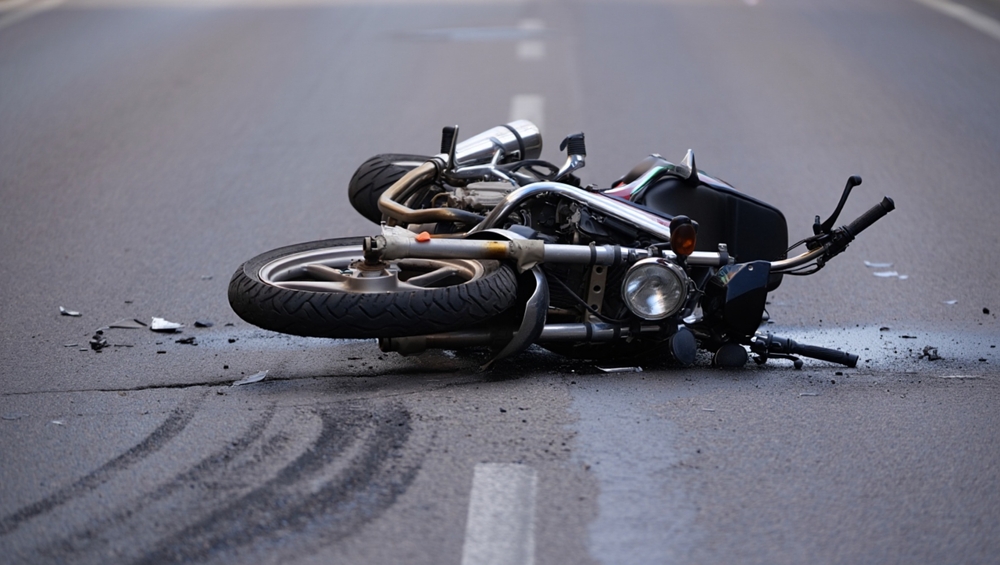
- Motorcycle accidents, even with helmet use
- Slip and fall incidents in stores, stairwells, or workplaces
- Construction accidents involving falling objects
- Violent incidents or assaults
- Truck collisions involving high-force impact
Someone can remain seated and be properly restrained yet still suffer a brain injury as a result of impact. Not only do airbags sometimes cause damage, but rapid deceleration alone can injure the brain by forcing it to move around inside the skull.
Why Insurance Companies Often Dispute Brain Injury Claims
Traumatic brain injury claims often cause long-term effects. The losses extend beyond medical bills to include work limitations, emotional strain, and reduced quality of life. Pain and suffering are also major components in these cases.
Here’s how insurers commonly respond:
- Asking for recorded statements early
- Questioning symptom timing
- Digging into prior medical history
- Boiling symptoms down to anxiety or stress
- Downplaying treatment needs
- Pushing early settlement offers before the injury picture is clear
North Carolina’s contributory negligence rule also plays a role. If an insurer can argue that you shared fault to any degree, they might attempt to make arguments that would result in you being denied compensation altogether. This is why legal counsel can serve as protection for you.
Call Us if Your Brain Injury Resulted From Another Party’s Negligence
Brain injuries after an accident can be subtle at first. They often show up as headaches or dizziness paired with memory issues and mood changes, but recognizing and acting on these signs is extremely important. Even so, many people worry that their symptoms aren’t visible.
This makes it easier for insurance companies to downplay the severity of their injuries, and this level of invalidation can make you question if anything is wrong after all. Don’t let other people convince you that you’re exaggerating—let CR Legal Team protect and defend you.
Our attorneys provide Whole-Person Legal Care™ by supporting your physical, financial, and emotional recovery. We bring over 100 years of combined legal experience, and we will Stand Up For You®.
We Care Like Family, Listen To Learn, and Do What’s Right. Call us for help today.